
Across West Central Ohio, farmland has always been more than just land. It’s part of the region’s identity, its economy, and for many families, its legacy.
In recent years, it’s also become something else, one of the most consistent and reliable investment opportunities available in the real estate market.
As we move through 2026, that trend hasn’t slowed down.
For buyers, farmland offers something that can be hard to find in other investment types: stability. While other markets can shift quickly, agricultural land tends to hold its value over time. It’s not driven by short-term demand in the same way residential or commercial real estate can be. Instead, it’s tied to long-term needs, such as food production, land use, and the limited supply of quality ground.
Here in Ohio, that matters even more. Productive farmland is finite. The combination of strong soil, location, and access makes certain parcels especially valuable, and those are the properties buyers continue to look for.
At the same time, interest in farmland isn’t limited to farmers. Investors have increasingly taken notice of the income potential through leasing ground, as well as the long-term appreciation that land can provide. It’s a different kind of investment, one that often rewards patience rather than quick returns.
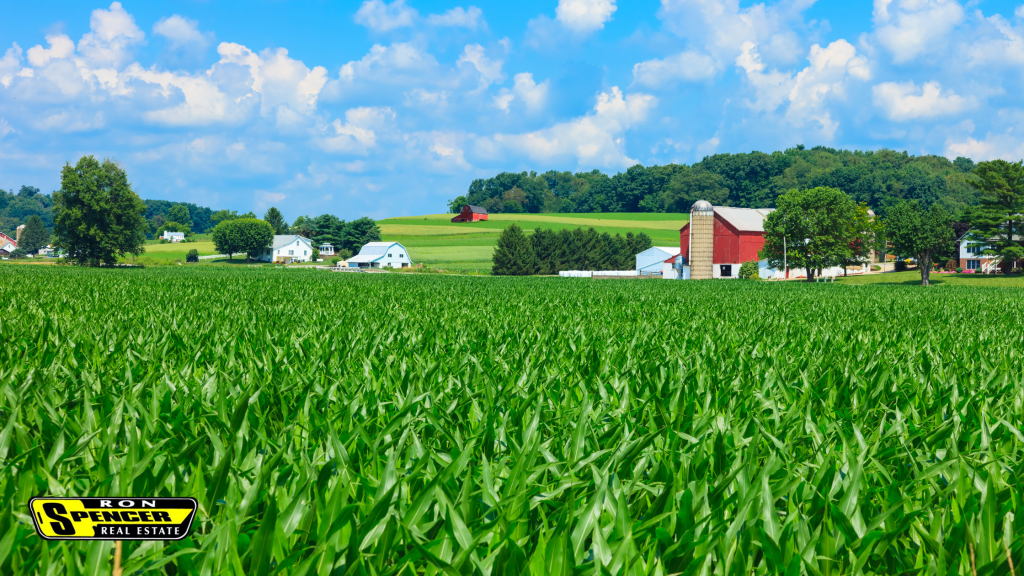
For sellers, the current market continues to present opportunities. Demand remains steady, particularly for well-maintained, productive ground. Like any real estate transaction, the details matter. Soil types, drainage, access, and lease agreements all play a role in how land is valued and marketed.
This is where experience becomes critical. Selling farmland isn’t the same as selling a house. It requires understanding how buyers evaluate land, how to present its value, and how to connect with the right audience.
At Ron Spencer Real Estate, farmland has always been a core part of what we do. We understand that these properties often carry more than just financial value. They represent years of work, family history, and long-term planning.
For buyers, that means having guidance when evaluating a property, not just what it looks like, but what it can produce. For sellers, it means having a strategy that reflects the true value of the ground.
Looking ahead, there’s every reason to believe farmland will remain a steady part of the market. While interest rates, commodity prices, and broader economic factors always play a role, the fundamentals haven’t changed. Quality land remains limited, and demand for it remains.
Whether you’re considering buying, selling, or simply want to understand what your land might be worth, having a conversation is a good place to start.
At Ron Spencer Real Estate, we’re here to help you look at the bigger picture and make decisions that make sense not just for today, but for the long term.